A recording can contain a great performance and an unwanted sound that never leaves it. The decision is not simply between accepting noise and removing it. A good replacement take might preserve the song with less work, while a small repair might keep details a repeated performance cannot reproduce. Listen for where the noise matters and decide which option gives the best chance of keeping the recording you want.
Describe the unwanted sound in context
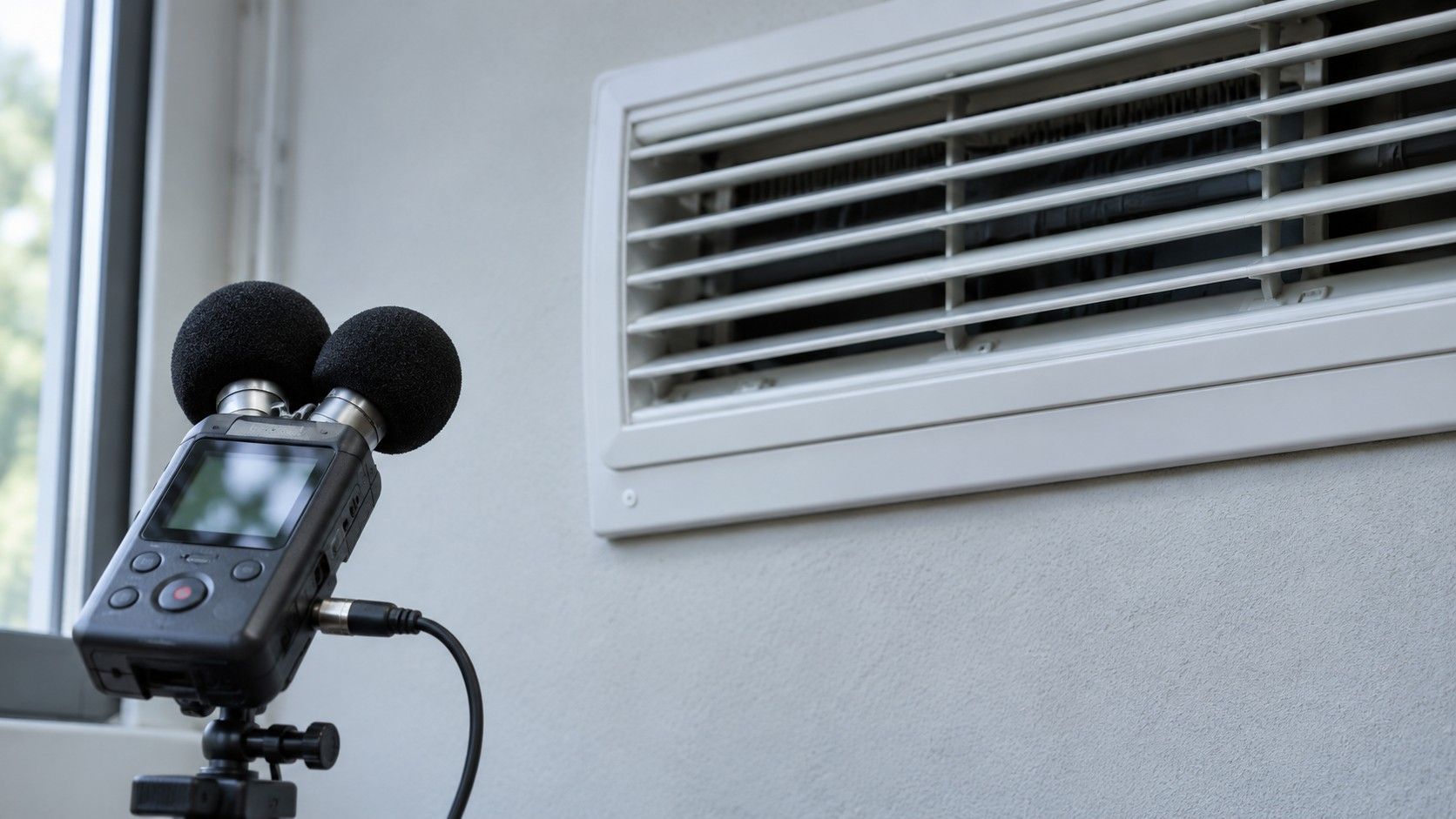
Start with how the problem appears in the finished music. A steady fan beneath a held word is different from a passing vehicle that hides part of the lyric. A quiet ventilation sound audible only with the instrument soloed may be acceptable in the mix. The same sound made obvious by a long quiet break needs a closer look. Note the section, duration and what the sound interferes with, rather than marking every audible background as something that must go.
Check whether it is in the file or in the environment where you are listening. Try a second clean playback path and use ordinary volume. If the sound does not follow the same timestamp, the playback device or room may be responsible. If the noise appears in a phone preview but not in the actual downloaded file, confirm that distinction before asking anybody to repeat the take. You cannot fix a monitor fault by changing the recording.
Listen to more than the loudest example. A source can change over time as a fan speeds up, traffic passes or the performer moves nearer a boundary. If the noise is consistent, a cautious correction may have a stable target. If it moves into and out of the vocal or instrumentation, fixing one spot aggressively may not help the rest. Keep the untouched file and mark several representative sections before choosing a treatment.
Compare the cost of repair and recapture
Ask what was unique to the take. A quietly spoken instruction or a metronomic part can sometimes be recaptured without much loss. A spontaneous timing choice, a convincing vocal delivery or a live combination of musicians may be hard to reproduce. A replacement takes time, but a complicated repair can also take time and may change important details. Decide which costs you can accept before making a process more aggressive simply because you have already started it.
For a new take, identify a practical change that addresses the source. Moving away from a fan, choosing a calmer moment or recording in another part of a room can help, but each change can affect the sound color and the performer. Keep the revised recording setup consistent where it matters. Capture a short trial with the same phrase and listen before repeating the full performance. If the new setup fixes the noise and damages the vocal tone, consider a different placement rather than assuming the cleaner take is better.
Recapture is less attractive when you cannot repeat the context safely or authentically. A live location may not be available again. A performer may have been working at the edge of a particular sound. Avoid asking them for an exact copy of an unreproducible take when a local edit preserves the important material. Conversely, if a prominent sound covers a word entirely and no alternate source exists, another take may be the honest way to obtain that content.
Select a reversible passage test
Choose a short passage where the problem is clear but the performance is still audible. Duplicate the file or branch the project, then try the smallest candidate correction. A stable tone may respond to a narrow cut, while a short event between notes may be easier to edit out than filter. If a noise profile is unreliable or contains music, do not teach a tool to remove that profile as if it were all background. Start carefully and check the retained sound.
Include a passage outside the treated section in your test. Noise reduction can change the transition into a word or the room level when a note releases. If you are testing a full-mix processor to solve a problem on one stem, compare other instruments at the same gain before and after. A technique that makes the bass and cymbals sound smaller for one less noticeable noise may cost more than it saves. Listen to a full phrase when deciding whether the remedy belongs.
If you can also record a small replacement, make a candidate containing the same musical material at the target pace. Do not compare an intentionally louder performance with the old take and attribute every difference to noise. Match monitoring loudness and listen for a plausible join. An improved signal can still be a poor repair if its space, articulation or timing feels wrong next to the surrounding material. Treat the replacement and the local repair as options rather than assuming either deserves acceptance.
Check the damaged take at a normal level
Play the best candidates on the system that matters for the delivery, and include the surrounding bars. First ask whether the original symptom still distracts from the music. Then focus on qualities to preserve, such as the timing of the next entrance, the end of a vowel or the room behind a note. Listen at a normal level with a clean reference. The option that produces the darkest visual background is not necessarily the option that makes the music sound intact.
Do a quieter listen too. If the noise is not audible but the treated version feels harder to follow, the correction may have changed articulation. An intact source can be acceptable when the only remaining concern was found by magnifying a small loop. When the noise is obvious at several listening levels and the local repair still sounds unstable, a new take or a different source may be worth the effort. Record why that was the better alternative so the next comparison is not made from memory.
Check the export as well as the session if the decision will determine delivery. A processed output can sound different because a preset also changed gain or because the selected section left out a room tail. Play the actual file in a separate player and revisit the planned timestamps. If the recaptured take solves the problem only when heard alone, test whether a different edit point could make it work without forcing it into a mismatched context.
Keep an alternative only if it serves the song
Save the source, the preferred version and any replacement you legitimately expect to reuse. Label the capture condition and what changed. A useful note might say that the room fan was still audible during the original held note, the local correction preserved the end of the phrase, and a new capture was not used because its tone did not match. That is a clearer record than naming one file fixed without preserving the comparison.
Do not keep producing stronger passes after a useful result has been tested. If the room sound remains a little unavoidable, choose whether that compromise is acceptable or whether the song needs another source. Preserve the performance as long as doing so does not hide a problem that matters to the listener. A natural recording with a low background can be more compelling than a pristine but awkward edit assembled from incompatible material.
When the noise source is still present, improve the capture conditions for another take instead of relying on the same cleanup. Keep basic settings and the available room reference. If nothing can be changed in the recording environment, plan around the quieter periods or adjust the setup within the limits of the session. The objective is a source that lets you choose the performance first, not a rule that every recording must undergo the same correction.